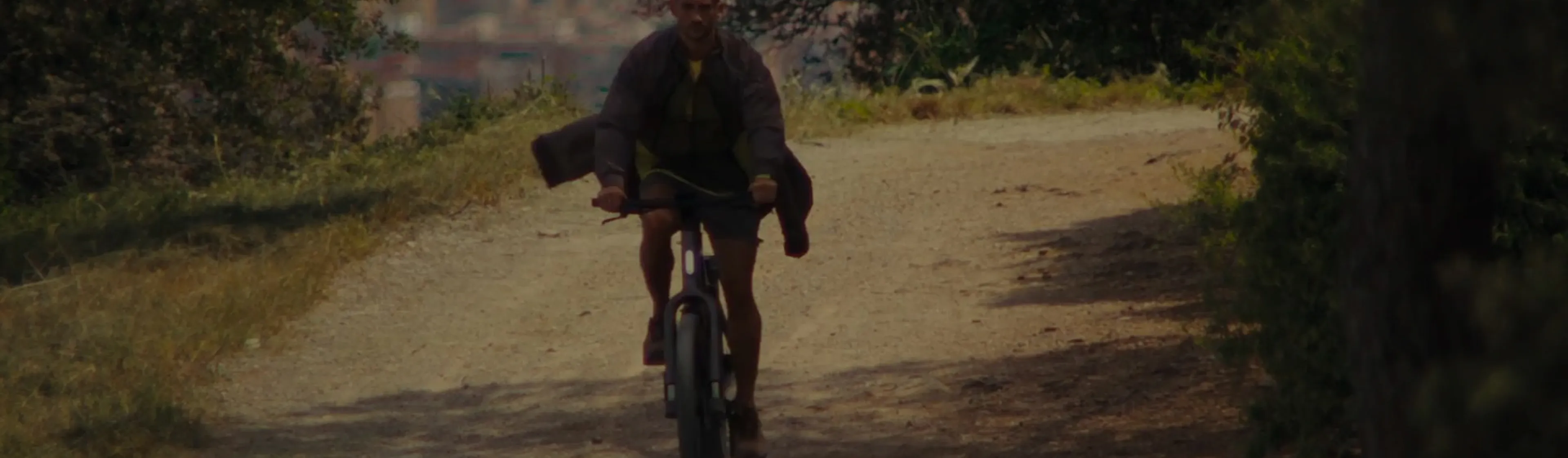

The New Urban Status Symbol Isn’t Parked. It’s Moving.
Product Scoop5 min read
For years, the things we used to signal taste were remarkably predictable.
A well-cut jacket. A good watch. The right pair of shoes. Perhaps a car waiting outside.
But somewhere between traffic jams, crowded parking lots and cities that seem to move slower every year, the definition of what looks aspirational has started to change.
Today, the most interesting thing about someone arriving at a café, office or weekend brunch may not be what they are wearing.
It may be how they arrived there.
And increasingly, that answer is becoming an electric cycle.
From utility to identity
Cycling was once placed into neat little boxes.
It was either exercise.
A childhood activity.
A professional sport.
Or something you did because you did not own a motor vehicle.
Electric cycles quietly broke those boxes apart.
They kept the simplicity and freedom of a bicycle, but removed one of its biggest barriers for everyday urban life: effort.
Longer distances became realistic. Inclines became less intimidating. Showing up at work without looking like you had just finished a workout suddenly became possible.
But something else happened along the way.
The e-cycle stopped looking purely functional.
Frames became sharper. Colours became more considered. Batteries became integrated into design. Accessories, displays and geometry started receiving the same kind of attention traditionally associated with automobiles and consumer technology.
In other words, mobility started developing a wardrobe.
The city changed first
The rise of e-cycles is not happening in isolation.
Our relationship with cities is changing.
People increasingly live closer to cafés, coworking spaces, gyms, metro stations, restaurants and offices. Many everyday journeys are short enough that taking a car feels excessive, yet long enough that walking is inconvenient.
The irony is familiar.
A three-kilometre journey can sometimes require twenty minutes of traffic, another ten minutes of searching for parking and a final walk from wherever the vehicle eventually fits.
The distance is short.
The friction is enormous.
That is where lightweight personal mobility begins to feel less like a compromise and more like an upgrade.
An e-cycle allows someone to move through the city rather than negotiate with it.
There is no elaborate ritual of starting the car, finding a route, locating parking and worrying about whether the next stretch is congested.
You simply go.
That simplicity is becoming its own kind of luxury.
The quiet flex
Traditional status symbols often communicate one thing loudly: I can afford this.
The emerging generation of urban lifestyle choices communicates something slightly different:
I chose this.
That distinction matters.
Carrying a reusable bottle, wearing a smartwatch, choosing a minimalist sneaker or riding an electric cycle can all communicate a certain intentionality.
They suggest that convenience, design, technology and sustainability do not necessarily have to exist in separate categories.
The e-cycle fits particularly well into this cultural shift because it sits at an unusual intersection.
It is active without demanding athleticism.
It is electric without feeling heavy.
It is practical without needing to look purely utilitarian.
And perhaps most importantly, it makes the journey visible.
When you drive somewhere, much of the experience disappears behind doors, glass and traffic.
On a cycle, you are part of the street.
You notice neighbourhoods changing.
You discover shortcuts.
You stop easily.
You interact with the city at human speed.
The commute stops being dead time between two destinations.
It becomes part of the day.
Style has always followed freedom
Some of the most iconic lifestyle products became desirable not simply because of what they were, but because of the freedom they represented.
Sneakers escaped the sports field.
Denim escaped the factory floor.
Watches evolved from instruments into expressions of taste.
Mobility may now be undergoing something similar.
The electric cycle is gradually escaping the category of “alternative transport”.
It is becoming part of urban lifestyle.
And that changes the conversation completely.
The question is no longer only:
“How far does it go?”
Or:
“How quickly does it charge?”
Increasingly, the question becomes:
“Does this fit the way I live?”
That is a much more powerful question because people rarely build their lives around specifications.
They build them around experiences.
Can I take it to work?
Can I ride it to dinner?
Can I use it for a Sunday morning coffee run?
Will it make the city easier?
Will I actually enjoy using it?
And, yes, does it look good enough that I want to be seen with it?
Design matters because mobility is personal.
When transport becomes lifestyle
The future of urban mobility probably will not be defined by one vehicle replacing another.
Cars will remain useful.
Motorcycles will remain useful.
Public transport will remain essential.
But our everyday movement may become far more flexible.
A car for one journey.
The metro for another.
Walking for the neighbourhood shop.
And an electric cycle for dozens of trips sitting somewhere in between.
That is where the cultural shift becomes interesting.
The e-cycle is not asking people to give up mobility.
It is offering another version of it.
One that occupies less space.
Creates fewer complications.
Encourages movement.
And increasingly looks completely at home outside a premium café, a modern office or a stylish city street.
Perhaps that is the clearest sign that the category is changing.
The electric cycle no longer looks out of place next to someone dressed for the city.
It completes the picture.
Because the next generation of status symbols may not be about owning something bigger.
They may simply be about moving smarter.